
Talk to Me, Meg 2: The Trench, Chevalier and The Miracle Club are all in theatres and The Beanie Bubble is streaming on AppleTV+
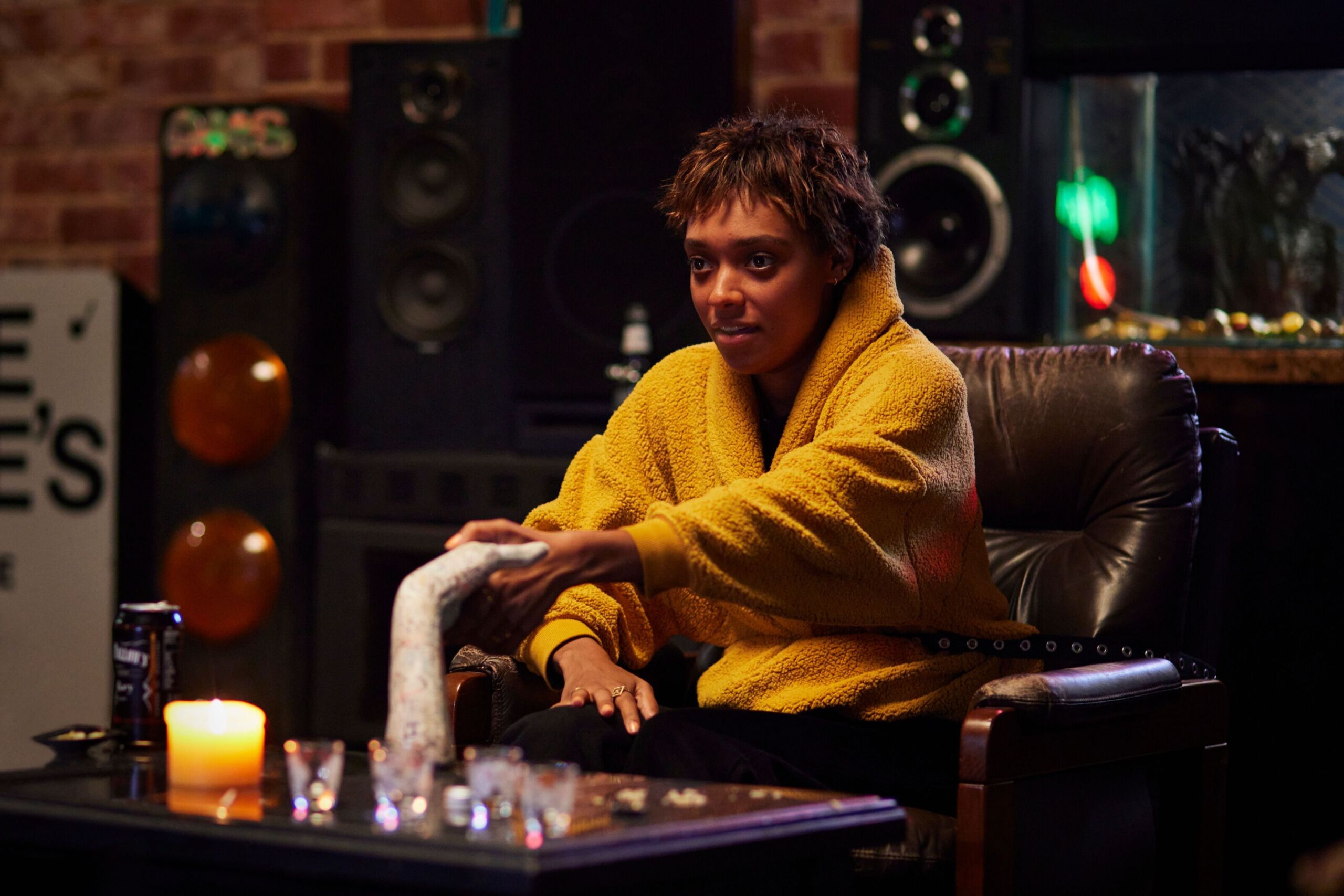
A combination of the film festival and Fifa football meant I couldn’t find a screening of Talk to Me in time for last week’s Friday newsletter. The latest in a strong run of hot Aussie horror pictures, this is a film that is likely to launch big careers for co-directors (and twins) Danny and Michael Philippou.
A group of Adelaide teens have come into possession of a porcelain hand and discovered that by holding that hand you can open a channel to tormented souls trapped in painful limbo. Heaps of fun! The catch is that if you hold the hand longer than 90 seconds, the person you are communing with won’t go back from whence they came, leading to all sorts of very bad things.
The co-directors have generated larrikin filmmaking personas from their days making wild YouTube videos under the RackaRacka shingle but Talk to Me shows that there is some serious intent underneath all the gleeful jump scares. In fact, I was probably more disturbed by the themes of bullying, grief and mental distress than I was by the effective and plentiful gore. I know these sorts of films are supposed to be entertaining but this was not an enjoyable experience for me, especially as I have been thinking about it a lot over the last few days.
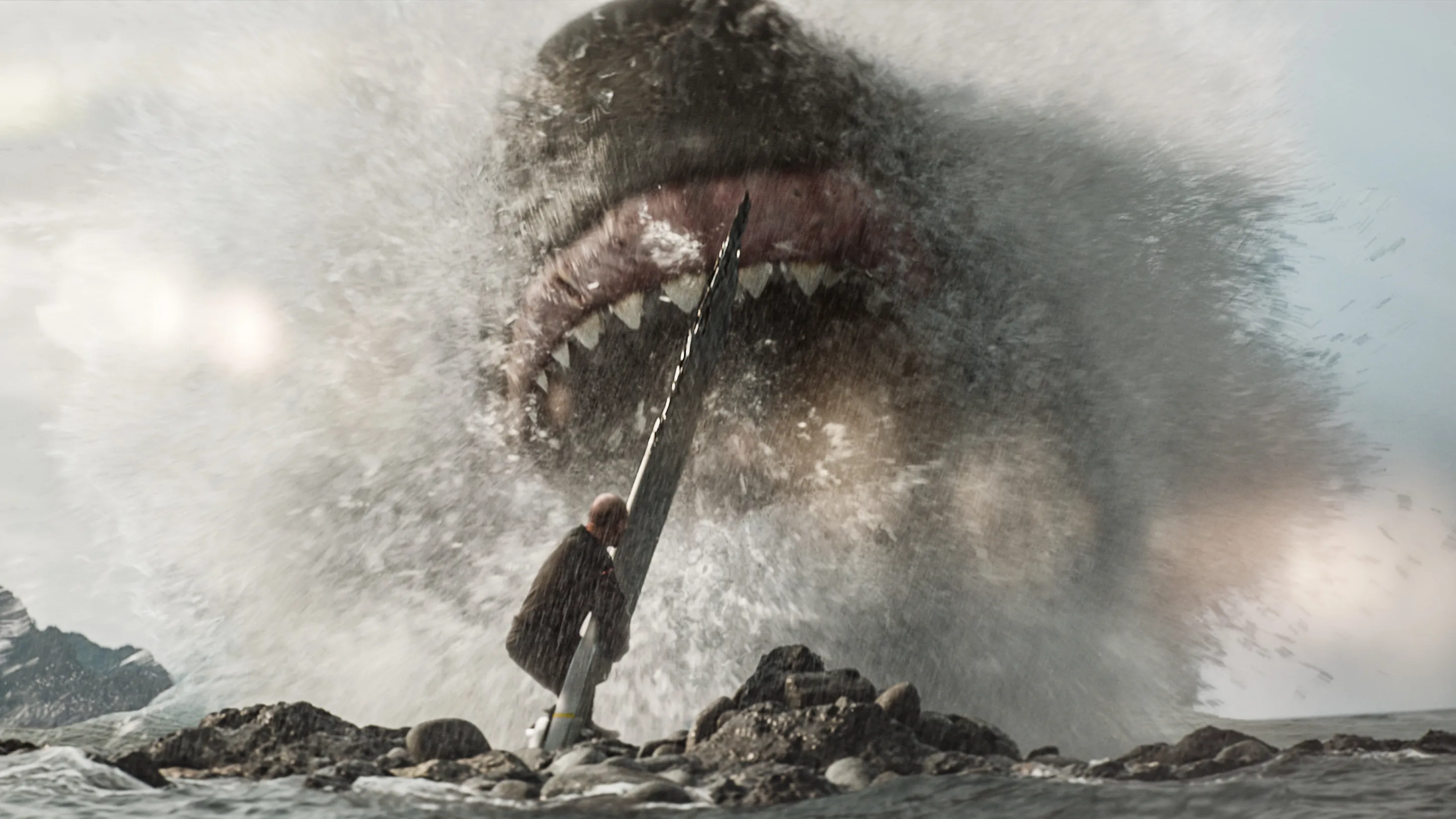
There’s no serious subtext going on with Meg 2: The Trench, sequel to the 2018 hit which was shot in Auckland. The British studio Leavesden is the beneficiary of all the Chinese production money this time around and a British director – sometime indie darling Ben Wheatley – is at the helm.
Jason Statham returns as eco-warrior Jonas Taylor – “the green James Bond” as he is described early on – and this time around there are plenty of giant prehistoric proto-sharks to contend with, but there are also rapacious corporates secretly mining the sea floor and stirring up trouble while they are at it.
You have to admire a film that just keeps on adding more and I want to make special mention of the production design by Chris Lowe – all the techie stuff like the control room, the subs and the diving gear look really cool.
Statham plays very much on one gruff note, unfortunately, so it’s left to a relaxed Cliff Curtis to add some warmth to the ensemble.
A film as cynical as this has no right to be so much fun.
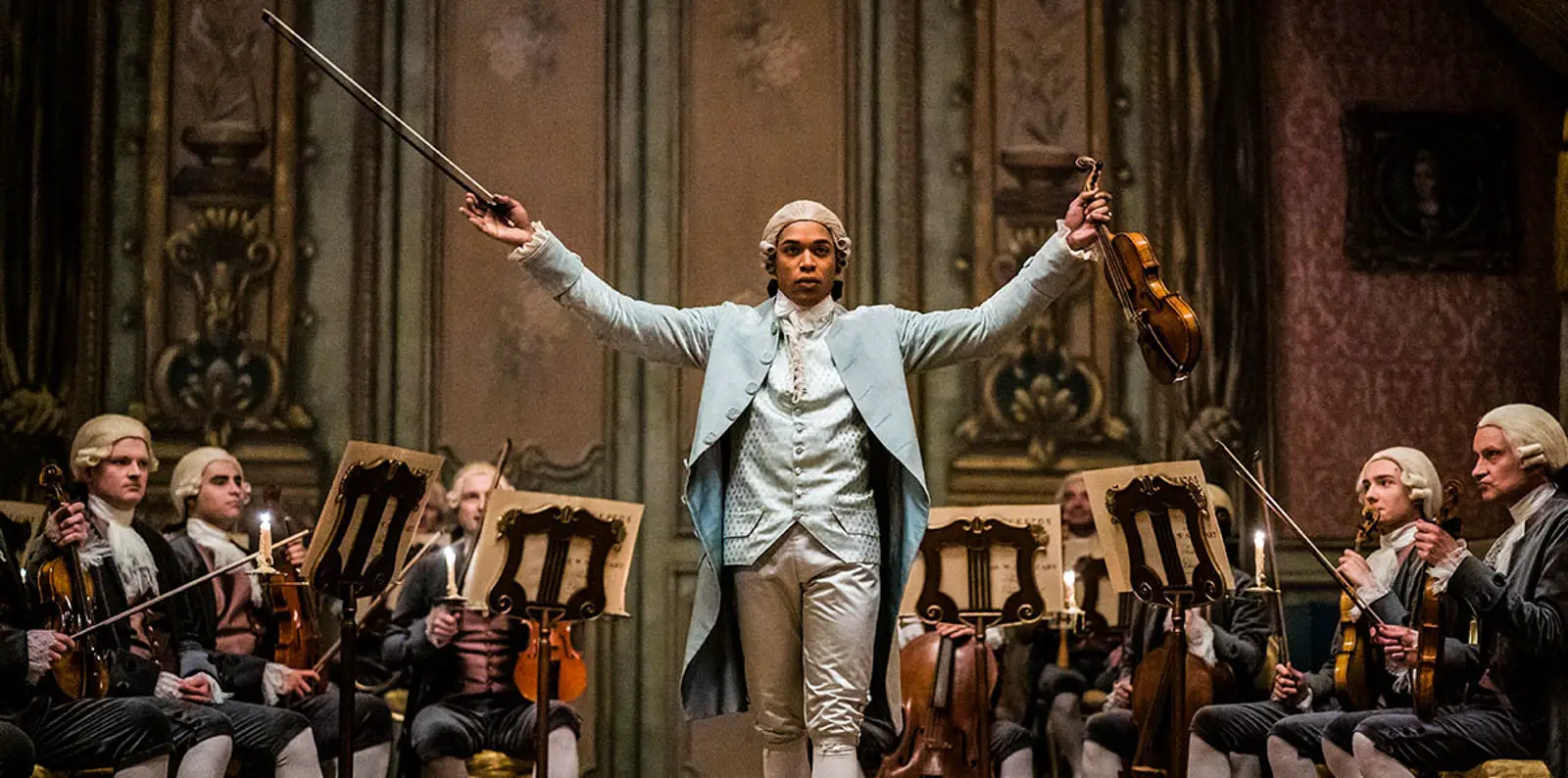
Chevalier opens with an on-stage violin battle between our hero, Joseph Bologne, and Wolfgang Amadeus Mozart which ends in humiliation for the latter. Thus, the film lays out its thesis – that Bologne’s achievements as musician and composer were suppressed because of his ethnicity and that his reputation should be restored so he can rightfully take his place among the greats.
By most accounts, Bologne (Kelvin Harrison Jr.) was prodigiously talented at many things (including fencing which was how he won the title of Chevalier) but the film also embellishes the story a bit for dramatic purposes. The son of a French plantation owner and one of his enslaved workers, Bologne was a favourite of Marie Antoinette but the changing political currents (and his own extremely high opinion of himself) put his career – and indeed his life – at risk.
The production is handsome – Prague once again standing in for pre-revolutionary Paris – but never quite lifts off despite, or perhaps because of, its passion to correct a historic wrong.
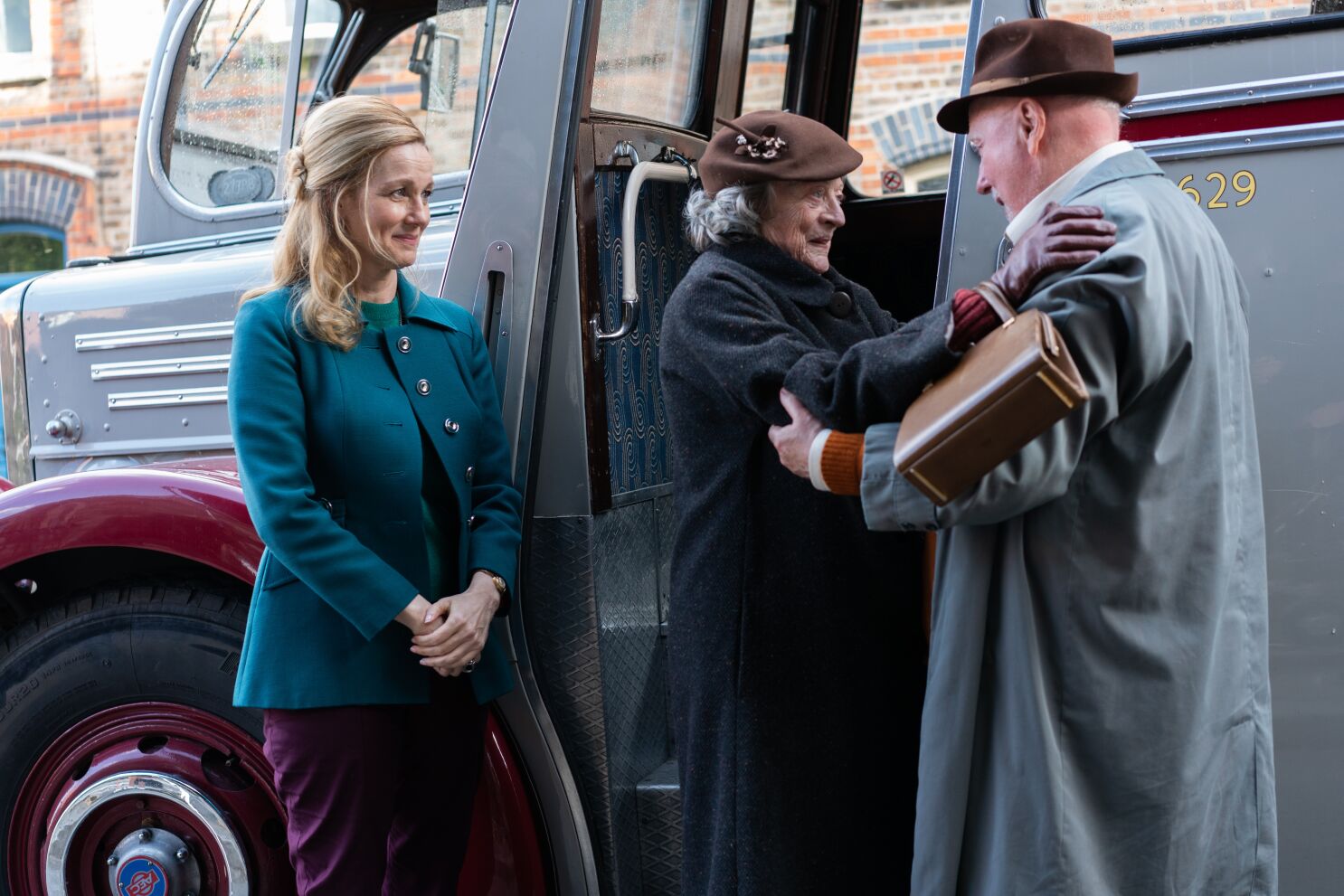
Almost totally unmemorable, The Miracle Club follows a group of Dublin women in 1967 on a pilgrimage to the holy shrine at Lourdes. Three of the women, Eileen (Kathy Bates), Lily (Maggie Smith) and young Dolly (Agnes O’Casey) have won their trip in a talent contest. To everyone’s great surprise they are joined at the last minute by Chrissie (Laura Linney) who is back in town after many years away.
The incident that saw Chrissie banished still eats away at all of them and perhaps this is the journey that will see those wounds finally healed.
All the real drama happened decades before the film commences but there’s a modicum of tension to be mined from the resolution – and some gentle comedy as the men who are left behind fend for themselves.
Maggie Smith perfected this irascible performance years ago but who am I to complain at how well she does it. In fact, everyone is fine. I do wish that Edmund Butt’s score wasn’t so insistent about telling everyone what they should be feeling.
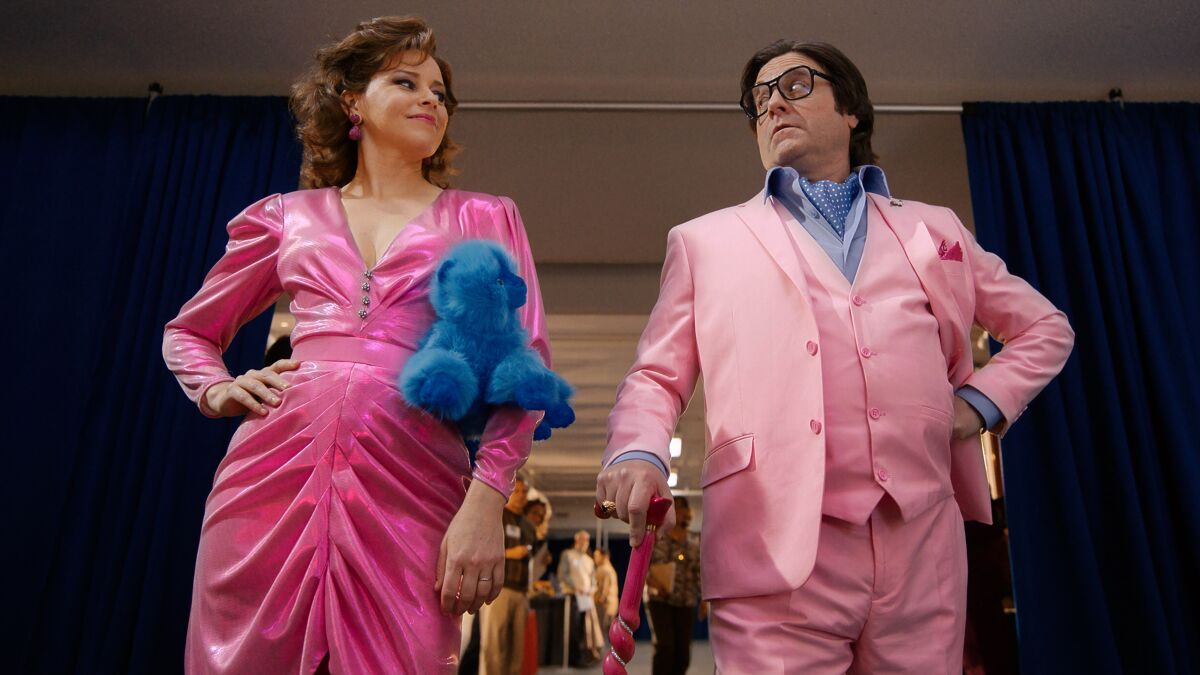
As amiable an evening in front of the telly as you are likely to find, The Beanie Bubble is a new entry in the recent fad for 80s and 90s corporate nostalgia that gave us Air and Tetris earlier this year.
Beanie Babies must have been in so much demand in the Northern Hemisphere that I don’t recall ever seeing them here. In fact, when I heard the premise of this film I immediately confused them with Cabbage Patch Kids which were a different kind of stuffed collectible nightmare.
The film is the story of the invention, marketing, boom and then implosion of the toy phenomenon whose meteoric rise was enabled by this new thing called the Internet. (“It’s so fast!” says Zach Galifianakis as plushie entrepreneur Ty Warner watching a dial-up demo of a new site called eBay.)
Bouncing around different time periods, there is much fun to be had at the expense of the fashion and the culture as well as the corporate excess that often follows when the marketing of cheap Chinese-made plastic tat makes you a billionaire.
Special mention must go to Galifianakis who manages to wring some sympathy out of the buffoonish Warner, a kind of stuffed toy savant oblivious to the vital contributions being made by the women in his life (played by Elizabeth Banks, Sarah Snook and Geraldine Viswanathan).
Apologies for any confusion caused by yesterday’s newsletter entitled “Something to watch tonight: Friday 3 August”. It was, of course, only Thursday but I clearly had Friday on my mind.

