
Retribution, A Great Friend, Sound of Freedom and The First Slam Dunk are in theatres now and The Monkey King is streaming on Netflix
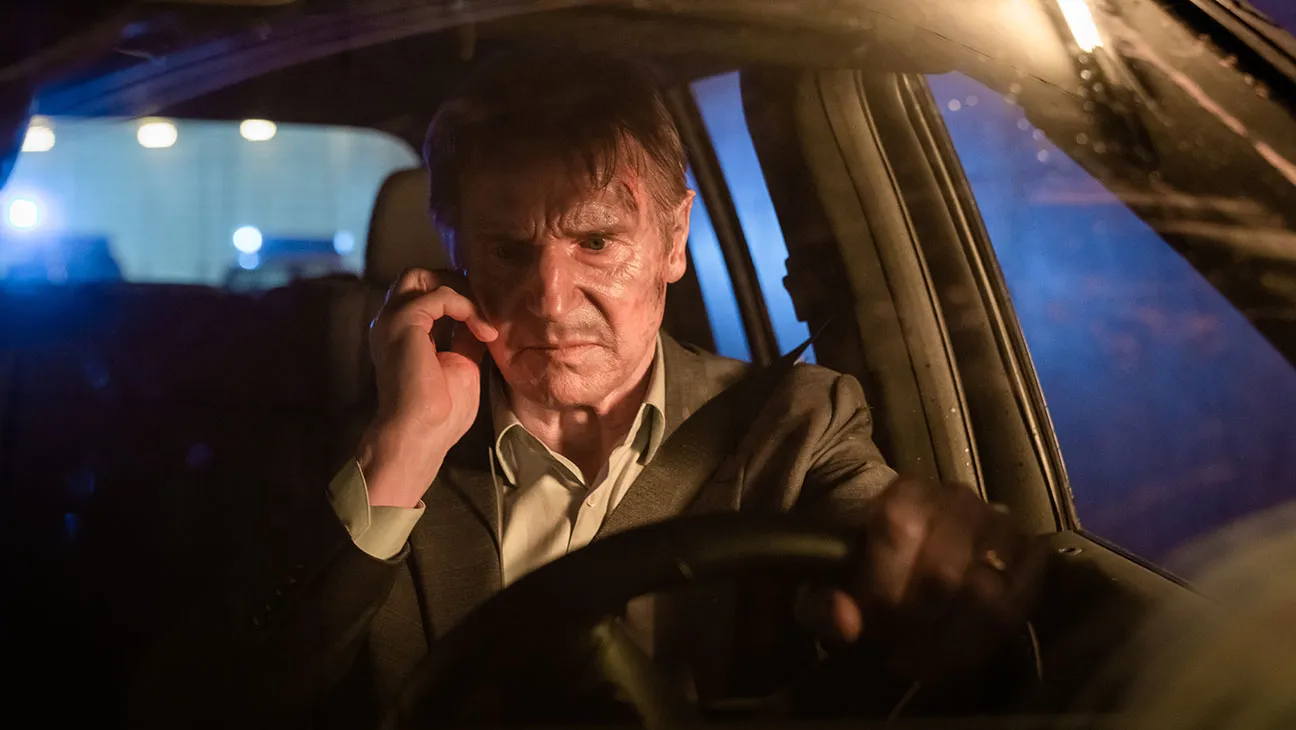
Two business titans experience life altering crises in films this week: will these ‘masters of the universe’ become better people as a result?
In Retribution, Liam Neeson gruffs his way through a high-concept action drama as Matt Turner, a successful fund manager living in Berlin, struggling through a market downturn, losing touch with his wife (Embeth Davidtz) and fighting with his kids (Jack Champion and Lilly Aspell).
Obliged one morning to do the school run, and oblivious of what seems like a terrorist attack in his own city, Turner takes a call from a strange cellphone planted in the armrest of his high-end Mercedes. A heavily disguised voice tells him there’s a bomb under his seat and that getting out of the car will release a pressure trigger and blow them all to smithereens.
And so begins a Speed-like chase around Berlin as Neeson and his kids are trapped in the car, trying to deliver on the stranger’s demands and not get blown up in the process.
Despite what you might think, this is a departure from recent Neeson. Almost all his scenes are stuck in the driver’s seat saving him that energy that would normally go into fisticuffs to instead be directed at his eyebrows and scowl.
I’m relatively fond of late-period Neeson’s variations on a theme called ‘man under pressure on a mission’ – The Commuter is a great example – but this is weak. A slender story, an easily spotted twist, annoying whiny supporting characters, and plot holes you could drive a luxury SUV through.
Even the title is meaningless in the context of the film. There is no retribution here. It’s just a word.

Back from the recent French Film Festival, A Great Friend (aka Les choses simples) is yet another variation on the French theme of ‘bourgeois city-dweller discovers the meaning of life and true French-ness through the simple homespun wisdom and authenticity of a genuine salt-of-the-earth Frenchman’. But this one does offer something of a twist, I’ll grant you.
Probably best-known to English language audiences as the mysterious Meringovian in the Matrix pictures, Lambert Wilson steps into a rare lead role as Vincent, a successful tech titan with a panic attack problem.
When his vintage sports car breaks down in the mountains, taciturn Pierre (Grégory Gadebois from the foodie flick Délicieux which was also directed by Eric Bernard) appears to fix the car and fix him lunch.
Enjoying the isolation, Vincent decides to drop off the radar for a bit and stay in Pierre’s guest house. His attempts to engage Pierre in conversation are mostly rebuffed but eventually he (sort of) comes around.
I said there was a twist, and this one is decent, but the pleasures of the film are watching these two older actors play out the almost imperceptible moments of growing male friendship. The landscape is also spectacular.
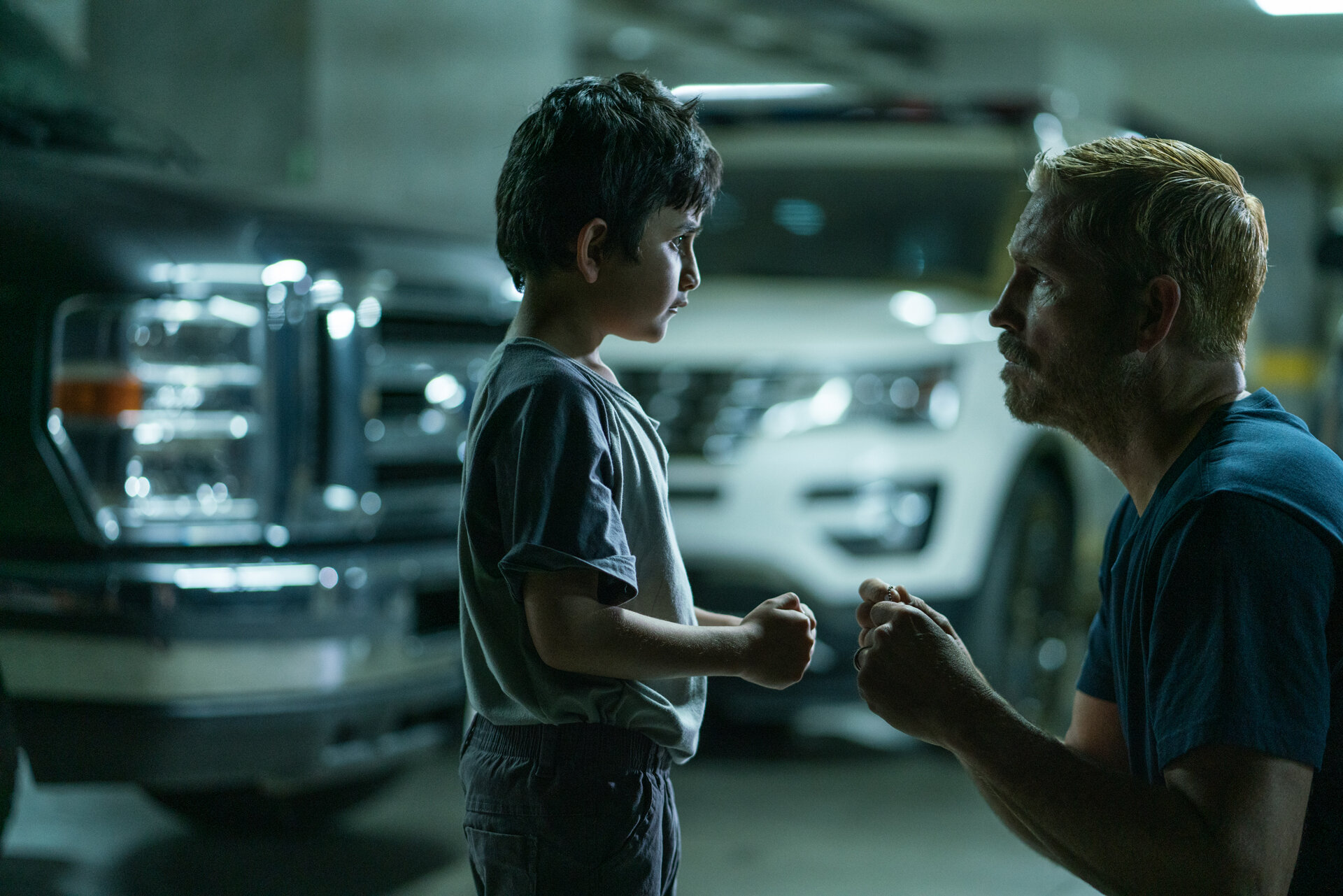
Sound of Freedom arrives in cinemas weighed down by political baggage. How much impact should a reviewer give to all that extra noise? Is it important?
Well, no, not really. Context is often important but Sound of Freedom – terrible title and an awfully clunky moment in the film when that phrase is coined – was made well before it was co-opted by various groups in order to push all their barrows.
Shot in 2018 for intended distribution by a Latin American subsidiary of 20th Century Fox, it became a casualty of the Fox/Disney merger and was shelved. Then along came a bunch of conspiracy theories and a fundraising campaign to buy the film back and release it independently.
Conservative celebrities like Tony Robbins and Mel Gibson got behind it – Gibson’s Icon Distribution is releasing the film in Aotearoa – and now this fictionalised story of anti child-trafficking campaigner and cop Tim Ballard (Jim Caviezel) has gained a notoriety that it barely deserves.
The film itself is heartfelt, earnest and sincere – all of those things to a fault at times – but does not push the theories claimed for it. Instead, it keeps the focus tightly on Ballard’s mission: the rescue of third-world children, trafficked into sex slavery by a capitalist system that sees all of us as fodder to be exploited.
Yes, most children are at greater risk in their own homes. Yes, even those under the ‘protection’ of the Catholic Church. But this film does not try and tell those stories, it has a narrower gaze and you can see that it also tries to avoid falling into the trap of exploiting those children’s stories once again for our entertainment.
Can you imagine if a marauding Liam Neeson was playing Ballard in a film on this topic? Instead, we get a very good, very quiet, Caviezel emoting his socks off on our behalf. There’s very little action or violence, just passionate police work in the face of an international system not set up for these kinds of crimes.

Finally, two new Asian animations. The First Slam Dunk uses a big high school basketball game as a frame for a story about grief, loneliness and learning who you are and discovering the joy of being in a team – win, lose or draw.
Ryota’s older brother was a top basketball contender before he died in an accident. Ryota attempts to follow in his footsteps but that path just brings pain for him, his sister and his devastated mother.
His school team goes up against the top team in Japan and everyone expects a thrashing but over the match – played in what feels like real-time on screen – he and his teammates find hidden strengths. Maybe the impossible is … possible?
All the players get their own flashback back story so we learn how all of them have arrived at this moment. The animation is tremendous, including plenty of angles inspired by basketball video games. It’s much more exciting than I was expecting.
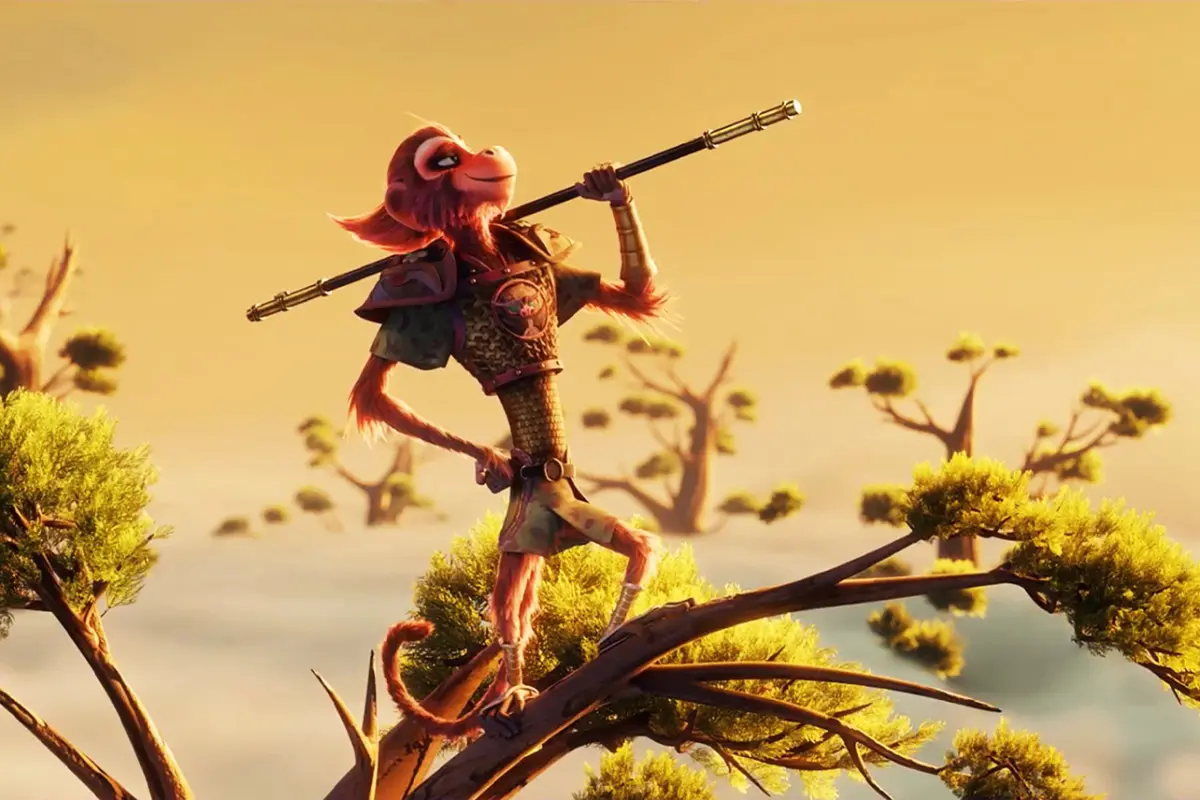
I’m not sure how many interpretations of the Chinese legend of The Monkey King we now have – or need – but this is the second version that Netflix has paid for suggesting that different departments at the giant streamer aren’t always talking to each other.
The difference here, I suppose, is that the story is told via flash-as CGI animation rather than actors in fake sideburns but all the whizbang in the world can’t save a family entertainment with no jokes for the adults and too much fighting for the kids.
The Monkey King’s sound and fury signifying no decent sense of humour has prompted me to go back and look at some of the best examples of the genre so I can recommend them in the daily “Something to watch tonight” newsletters, so look out for them.
Besides, we can all do with a laugh these days. Me as much as anyone.

