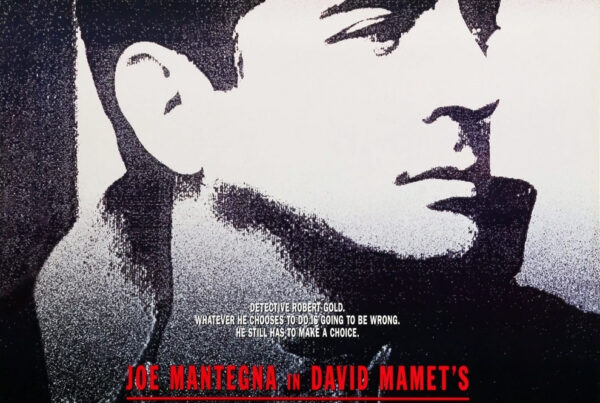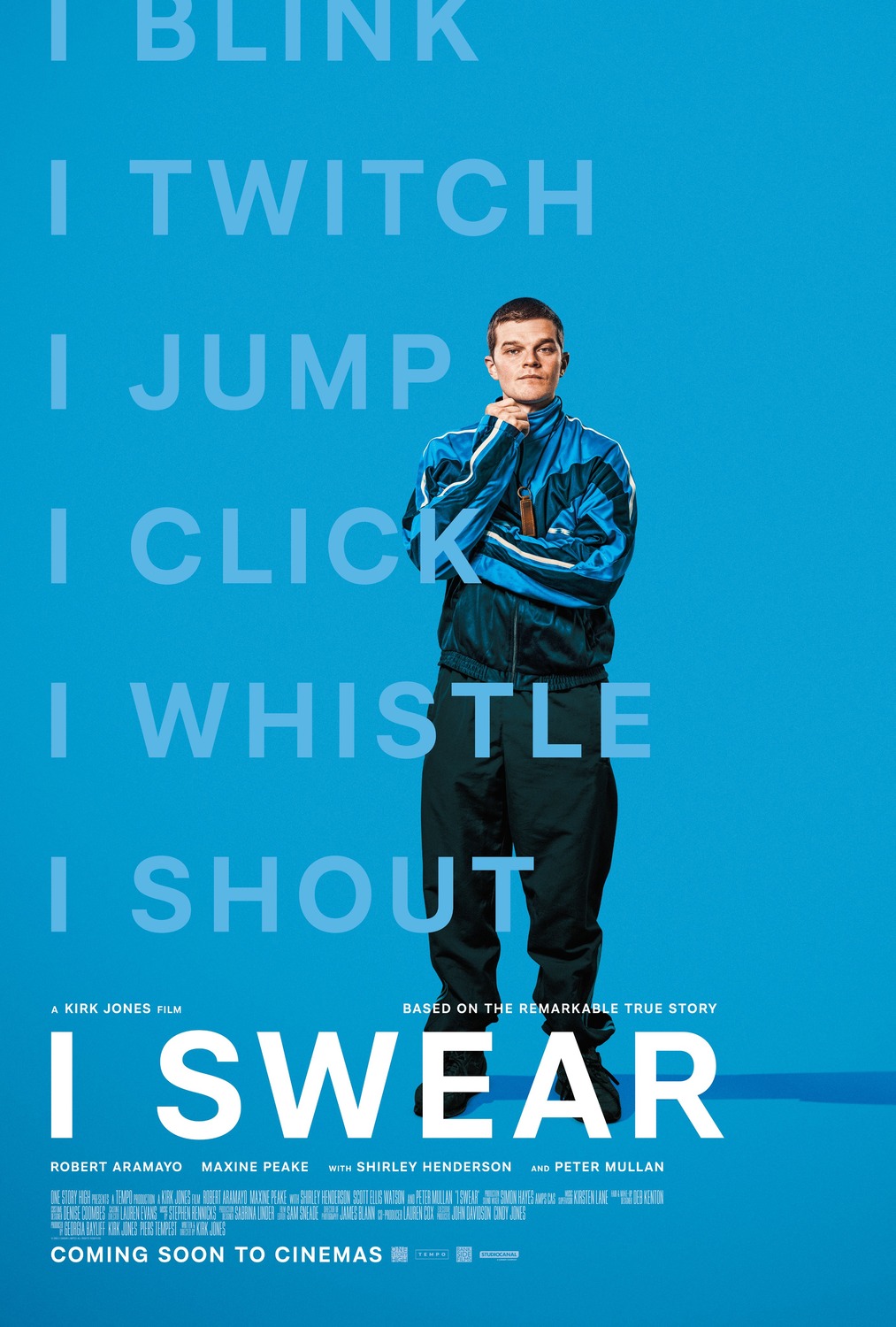
The unforgivable cynic in me thought that, if I were the producer of a modest British independent film looking to release in cinemas across America, a scandal revealing my subject matter’s Tourette’s to a global audience at the Bafta awards might prove to be commercially useful, no matter how offensive his verbal tics might be.

That was a mental tic of my own that occurred before I had seen Kirk Jones’, I Swear, and realised that the film does all the hard work of helping audiences understand the syndrome and needs no help from cheap stunts like the one that I imagined.
The subject of I Swear, John Davidson, has been in the real life public eye since he was a teenager but the film wisely removes those complicating chapters – the role of the media in his torment says more about the times than it does Davidson or Tourette’s – so we are left with a story about the impact of the affliction itself and coming to terms with it.
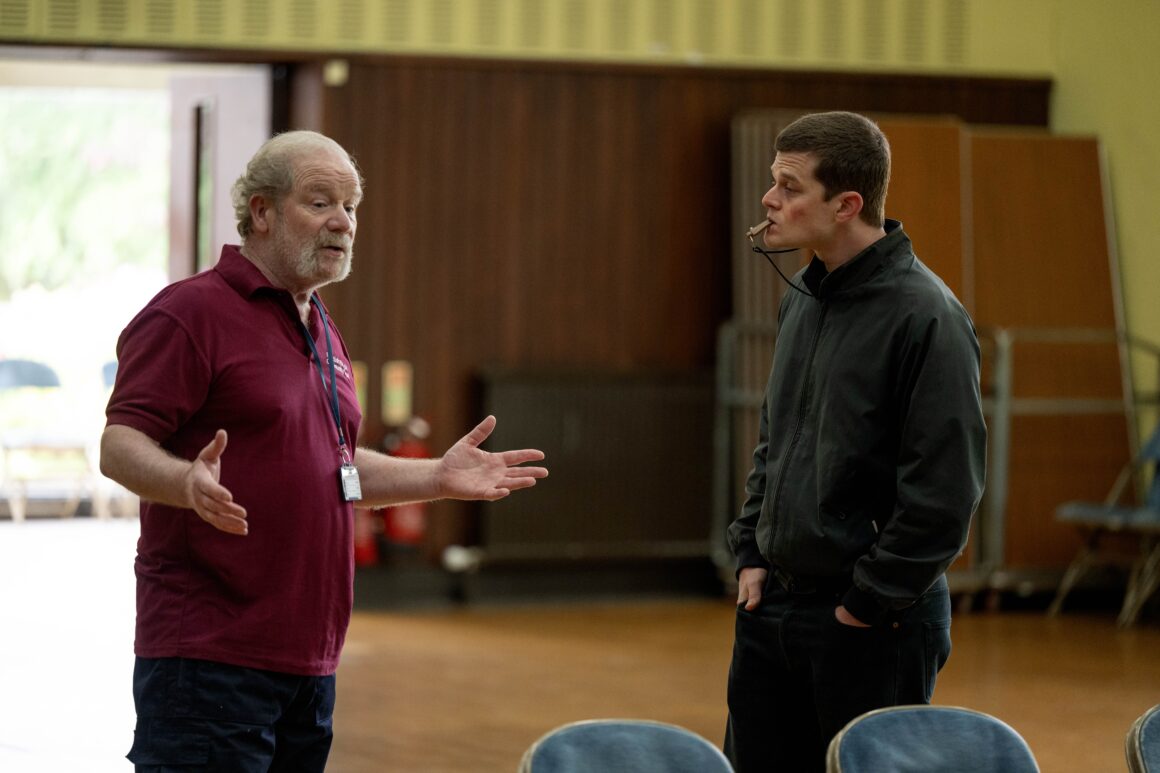
Jones’ film has the look and feel of a Ken Loach picture, aided by the presence of the great Peter Mullan who arrives in the middle to rescue Davidson and the picture from spiralling into helplessness. As Tommy Trotter, the community centre caretaker who offers Davidson his first job, Mullan shows all of us how to behave around people who are different from ourselves and he does it so charmingly that nobody watching should expect themselves to be any different.
Mullan is a national treasure but I suspect that his political prickliness might prevent him getting (or accepting) the knighthood that he deserves.
Robert Aramayo as Davidson gives you the kind of revelatory performance that makes you forget that you’ve actually seen him in a few things before. He disappears into the character of Davidson and films like this need someone to root for – he one hundred percent delivers. I Swear is a very easy film to recommend (and you can hear my review on RNZ Culture 101 here).
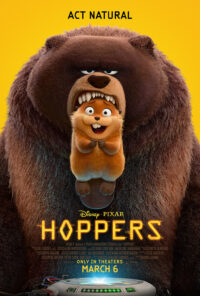
Pixar has long ceased to be a reliable supplier of animated masterpieces but there’s still an undeniable visual quality to their work even when the story falls short. The character design in Hoppers is terrific – check out the poster image to my left – but despite a strong central idea, the film itself only drifts to a conclusion.
Mabel (Piper Curda) is a teenage conservation activist who is fighting a lone battle to save her favourite peaceful glade from destruction due to a giant concrete ring road – the kind of infrastructure project that mayors like Jon Hamm’s Jerry Generazzo build careers and campaigns on. Mabel discovers that her college biology tutor is working on a secret project to download (or should that be upload?) human brainwaves into anatomically perfect android animals so she hijacks a beaver (android) and goes undercover to find out why none of the animals are fighting back.
The setup is great and the conclusion is not unsatisfying but the middle is desperately unfocused – featuring a long car chase of all things – and Hoppers fails to live up to its own internal logic too often to really hit the spot.

They Will Kill You is an empty shell. Director Kirill Sokolov has some action-comedy chops but gives you no reason to care about any of it. Zazie Beets plays an ex-con in the city, looking for the sister she abandoned as a child. Based on a tip, she takes a job as a maid in the mysterious building where her sister was last seen. Turns out the job is just a front – she’s intended to be a human sacrifice used by the rich inhabitants to preserve their ghoulish immortality. Can she survive long enough to find her sister and escape both their fates?
The biggest mystery in the whole thing is what accent Patricia Arquette is doing as Maria, the building manager.
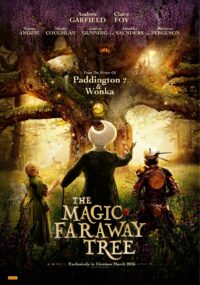
Attempting to harness some of the magic of the Paddington trilogy, screenwriter Simon Farnaby has attached himself to another (supposedly) beloved English children’s franchise, Enid Blyton’s The Magic Faraway Tree.
In terms of the human component, Farnaby has sensibly departed from Blyton’s original model. We follow a modern family – Andrew Garfield is the father, Claire Foy is the mother and I can’t be bothered typing the names of the three child actors – who are escaping the modern world for a ‘good life’ in what the English call the ‘countryside’.
For no good reason, they are advised never to go to the local woods but middle daughter Fran does because she gets an invitation from local pixie Silky (Nicola Coughlan).
In the woods, Fran finds a magic (not terribly faraway, it must be said) tree populated by weird characters and a portal to even more amazing worlds high in the sky.
The big problem with this magic Faraway tree is Blyton. These magical characters might be meaningful if you were a child in 1939 but all feel terribly first-draft here in 2026. The world of the tree isn’t nearly as interesting – or as successfully conceived – as the real world on the ground. Even then, Garfield’s dream of making a world-beating pasta sauce is frustratingly illogical.
The best news is that Michael Palin is still alive enough to be able to cameo. Hurrah for that.