
I realised talking to Emile Donovan on RNZ Nights last Friday that the reason I enjoy the Architecture & Design Film Festival so much is because the films are all so optimistic.
To start with a blank piece of paper and then draw something on it, and even further, build that thing and make a difference. In today’s gloomy world, I love seeing stories about people who dream of a better way.
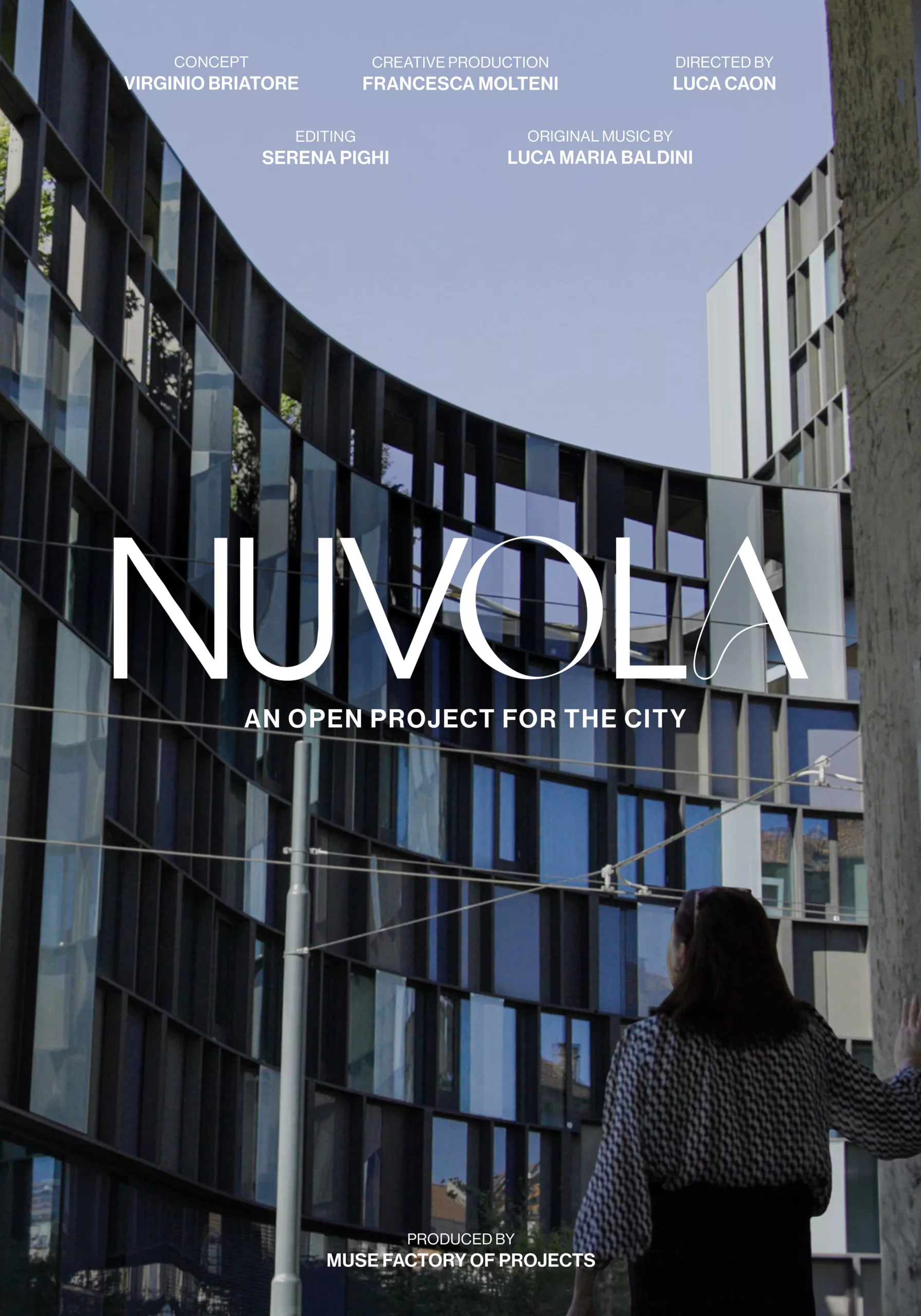
The Aurora district of Turin was a down-on-its-heels working class part of town, suffering from the reduction of local industry. A few years ago the Lavazza coffee company decided to build a new head office there and in the process transformed the entire neighbourhood with accessible, sensitive and generous design choices. Not only did they build a beautiful curved (and green) building to house the offices, they converted an old power station into a museum, created gardens with fountains and opened two staff restaurants that are open to the public. One is overseen by Michelin-starred chef Ferran Adrià and the other was designed by Oscar-winning set designer Dante Ferretti.
Nuvola, an Open Project for the City is a short documentary that beautifully shows off the design choices, and also the impact on a community that has been re-energised by the development. After a while, it becomes clear that none of this would be possible if Lavazza wasn’t still a family-owned company – third and fourth generation Lavazzas appear near the end to talk about their favourite aspects of the project. I basked in this film and am now desperate to visit Turin.
The festival is experimenting away from documentary with the selection of narrative features this year, still with a design or architecture theme. The Great Arch (La grande arche) is the story of one of the most awesome pieces of modern design in the heart of Paris. In the early 80s, a competition was held to put a building at the far end of the Champs-Élysées, 4km from the Arc de Triomphe. Little-known Danish architect Johan Otto von Spreckelsen (Claes Bang) somehow won the contest despite having previously built nothing bigger than a church.
Out of his political depth among the Parisian movers and shakers, he fought to stay true to his original vision – a cube with a hole in it – at great personal cost. Surprisingly, the film doesn’t flinch from the realities of huge construction projects, making drama from the choices about marble and glass. The – presumably – digital recreations of the project at various stages of the build are excellently done.
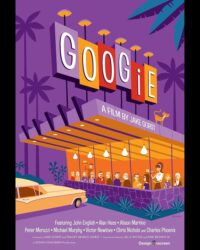
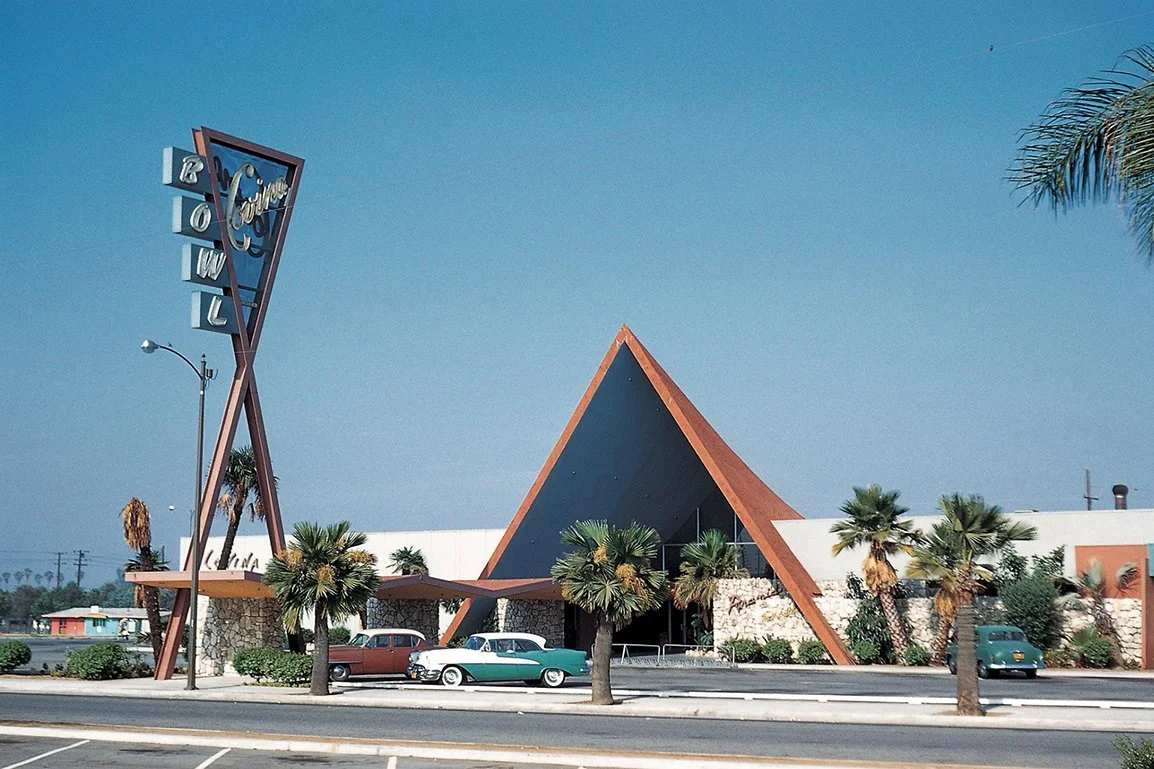
The main reason why there are so many documentaries about mid-Century American architecture is that there is so much archival material to choose from. Jake Gorst’s documentary, Googie, about Californian leisure design – what Emile Donovan called “Jetson architecture” – of the 50s and 60s has lots of film and photosto choose from, as well as access to original drawings and models. It also seems to have an endless supply of historians, archivists, preservationists and enthusiasts on tap and their excitement and joy is infectious.
I didn’t even know that this style of architecture had a name – Googie came from the nickname of the wife of the first client – and now I can see its influence in so many of my favourite films. On the East Coast, diners were drab and rectangular – often old railway carriages – but in California they were all weird angles with giant illuminated signs that reached for the sky. An optimistic architecture, indeed.
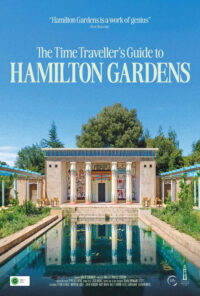
The number one job of The Time Traveller’s Guide to Hamilton Gardens is to let ignoramuses like me know that the gardens actually exist. Job done, then. It’s basically a brochure for this epic development on the site of the former Hamilton City landfill containing over a dozen rectangles – they are mostly rectangles – inspired by gardens from other parts of the world and other eras. While I’m not sure about the scholarship involved – an Egyptologist acquaintance says to take the historical accuracy of the Egypt garden with a pinch of salt – there’s no denying the craft and care that’s gone into them.
On Culture 101 the other day, I mentioned that I found it strange that the gardens sit beside the Waikato River but have very little relationship to it but the film isn’t interested in anything that isn’t a celebration of the facility or going to sell more tickets.
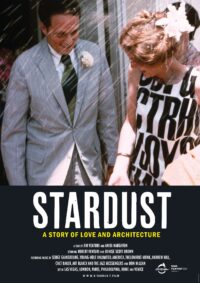
Stardust: A Story of Love and Architecture is the only film where the designs themselves didn’t grab me. Indeed, despite being an enthralling story of the partnership between Robert Venturi and Denise Scott Brown – he the intellectual foundation and she bridling at not getting her due as the creative force behind the buildings themselves – every time the film included a picture of one of their constructions my response was simply, “yuck”.
You can’t win them all, I know, but I was surprised at how even my untrained eye can tell that Venturi & Brown’s post-modern, geometrically challenged buildings were bad jokes. Not nearly as much fun as they thought they were and nowhere near as much fun as those Googie California diners.
The festival is currently screening in Auckland and then travels to 12 other locations around New Zealand between now and 22 June.
The Resene Architecture & Design Film Festival has been a staple of my coverage for a few years:
In 2018, there was a film about a Dutch landscape gardener called Piet Oudolf that both the editor-in-chief and I remember fondly.
In 2019, I learned about Bauhaus (and am all the better for it).
In 2022, I was bewitched by the story of The Automat.
In 2023, a film about the architect Richard Henriquez made me want to visit Vancouver very badly.
In 2024, Skin of Glass was the most incredible documentary I saw that year.
And in 2025, I didn’t write the festival up but did talk about it on RNZ.
